The Two-Weekend Winter-Proofing Plan for UK Gardens (Before the Frost Bites)
The first hard frost is not a date in the diary. In most UK gardens it is a series of near-misses: a cold snap, a wet week, then a mild spell that makes everyone forget winter is coming. That is exactly why the pre-winter audit matters. The jobs below are not about making the garden look neat for a magazine shoot. They are about stopping water where it should not sit, protecting roots and timber from the wet, and saving yourself a bigger bill in March.
You can do this over two weekends in November or early December 2026. Homeowners can work through it at a sensible pace; facilities managers can use the same list as a site walk-round and split it between grounds staff and contractors. The order is deliberate: drainage and water first, because everything else is harder once the ground is sodden.
Weekend one: water, lawns and the quiet rot
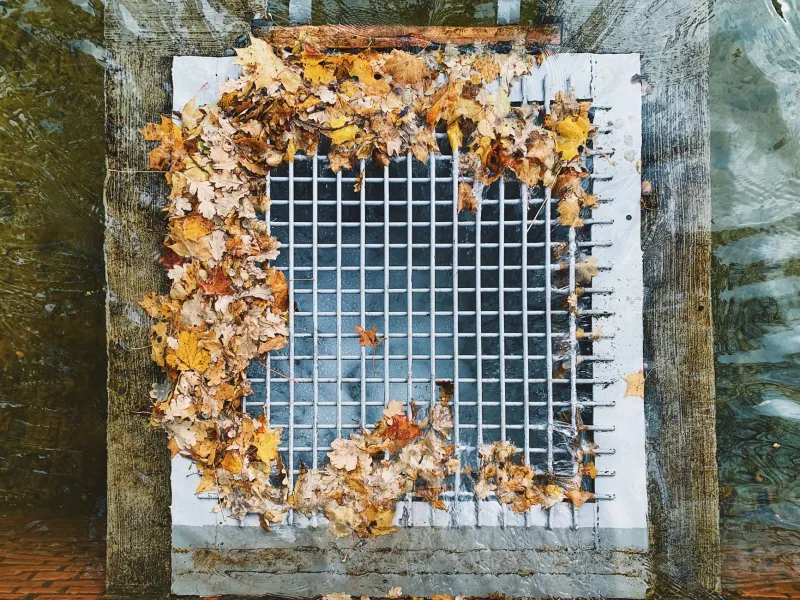
1. Clear gullies, channel drains and soakaway inlets. This is the one job that genuinely cannot wait. Leaves, grit and moss will block a grid in a single storm, and once water backs up it finds the nearest wall, step or patio joint. Lift the covers, scoop out the sludge, and check that water actually runs away. Do not tip the debris straight onto borders; it is full of weed seed. Bag it or compost it properly. On commercial sites, mark blocked drains on a plan so they get checked again after leaf fall.
2. Check gutters, downpipes and water butts. Blocked gutters are a winter risk, not a spring tidy-up. Water overflowing at the fascia can soak brickwork and find its way into conservatories and outbuildings. If you are not confident on a ladder, leave it to someone who is. Empty and clean water butts, fit a leaf guard, and disconnect hoses so trapped water does not split them.
3. Drain irrigation and outdoor taps. A cheap job now, an annoying repair later. Turn off the outside tap at the isolator if you have one, drain hoses, and store sprinklers and timers indoors. If you run a drip system, drain the lines or have it blown through.
4. Rake leaves off the lawn — but not every border. On grass, a wet carpet of leaves smothers growth and encourages disease. On borders, a light layer is useful mulch and wildlife cover. The compromise is simple: clear the lawn, paths and drains, leave a thin scatter where it will rot down, and pile the rest into leaf mould.
5. Aerate tired lawns. If the lawn is compacted, mossy or holds water, spike it with a garden fork or a hollow-tine aerator. Do this when the ground is moist but not waterlogged and not frozen. On heavy clay, aeration is one of the best-value jobs you can do. If the lawn is already a pond, wait. Working wet soil makes it worse.
6. Top-dress after aerating — if growth is still ticking over. A light dressing of loam, sand and compost brushed into the holes improves drainage and levels out dips. A budget version is well-rotted compost, raked thin. Do not bury the grass. If growth has stopped, leave it until early spring.
7. Give the lawn a final cut — carefully. Only cut if the grass is dry and still growing, and raise the mower height. Scalping a lawn in November invites moss and disease. If it is wet and mild, a gentle trim may still be needed; if it is cold and soggy, leave it alone. Clean the mower afterwards.
8. Prune the right shrub at the right time. This is where keen gardeners do damage. Winter is fine for many deciduous shrubs and trees that flower on new wood, but it is the wrong time for spring-flowering shrubs such as forsythia and lilac, which set buds the previous year. If you are not sure, leave it until after flowering. Never prune in a hard frost, and do not paint cuts with anything unless a tree surgeon advises it.
Weekend two: roots, timber and tools
9. Insulate pots and raised beds. Terracotta and thin-walled pots can crack when wet compost freezes. Raise pots onto feet so water drains, group them together for shelter, and wrap the most vulnerable in bubble wrap or hessian. For raised beds, top up with mulch or compost and check that the boards are not sitting in standing water.
10. Mulch borders, but keep it away from stems. A 5–8cm layer of bark or compost suppresses weeds and slows moisture loss. Keep it clear of shrub stems and tree trunks. This is also the moment to cut back anything that is genuinely mushy, while leaving seedheads for birds and insects.
11. Check fences, decks, sheds and timber furniture. The wet season is when timber quietly rots. Look for soft posts, loose boards, blocked deck gaps and shedding stain. Clean off algae, let the timber dry, and treat only when the surface is dry enough. If the forecast is relentless rain, wait for a dry spell; painting wet wood traps moisture.
12. Clean, sharpen and store tools. Mud left on blades is not just untidy; it holds moisture and encourages rust. Scrape off soil, dry thoroughly, oil metal surfaces and sharpen secateurs and spades. Drain the hose, coil it indoors, and put garden chemicals somewhere frost-free and locked away.
13. Service the mower and other machinery. Run the mower until the fuel is used up, or add a fuel stabiliser if you will not use it for months. Clean the underside, check the blades and book a service if it has been struggling. The same goes for strimmers and leaf blowers. Machines stored wet and dirty are the ones that fail in spring.
14. Sort greenhouse and frost protection. Clean glass to let in winter light, check vents and replace broken panes. Bubble wrap insulation helps tender plants, but ventilation still matters on mild days. Bring tender plants under cover, check heaters and frost fleece, and make sure pots are not standing in water.
What can wait until spring
Not everything needs doing now. Major lawn renovation, laying new turf, heavy border redesign and most hard pruning can wait for better conditions. Avoid digging or walking on waterlogged soil; you will compact it and spend years repairing the structure. Fence painting can wait for a dry spell in spring if the timber is sound. Bare-root planting is a winter job, but only when the ground is workable.
The point of the audit is not to complete a perfect list. It is to deal with the handful of jobs that protect the expensive stuff: drainage, roots, timber and tools. Two weekends now is a lot cheaper than replacing a fence panel, a cracked pot or a lawn that spends winter under water.