The Boundary That Earns Its Keep: Seven UK Alternatives to the Cheap Fence
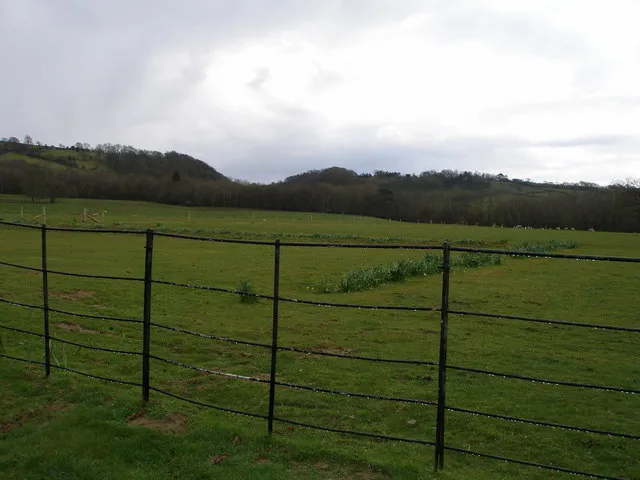
Photo: Carol Rose, CC BY-SA 2.0, via Wikimedia Commons
The cheapest fence is rarely the cheapest boundary. That sounds like something a landscaper says to justify a bigger quote, but it is usually true. A thin panel fence bought on price alone has a habit of failing in exactly the way UK weather specialises in: wind, rain, rot and a slow descent into something you have to apologise for when guests arrive.
This is a comparison, not a love letter to any one material. The right boundary depends on whether you need privacy, security, visibility, wind protection or simply a line on the ground. Here are seven options that stand up to British conditions, with the practical costs and catches.
1. Mixed native hedging
Upfront cost: roughly £15–£35 per metre planted, depending on size and specification.
Maintenance: moderate. Trim once or twice a year, water through establishment and keep the base clear.
Planning: usually no planning permission needed, but high hedges can fall under local high-hedge rules. Check deeds and covenants.
Best for: homes that want privacy, wind filtering and wildlife. Less suitable where you need instant security or a very tight boundary.
A mixed native hedge — hawthorn, blackthorn, hazel, field maple, dog rose — is the closest thing to a boundary that pays you back. It slows wind rather than fighting it, gives birds somewhere to live and looks better every year. It is not instant, and it will need watering in its first two summers. But a hedge that costs more than a cheap panel now will still be there in 20 years.
2. Estate fencing
Upfront cost: around £35–£70 per metre supplied and fitted.
Maintenance: low. Repaint or treat every few years if you want it smart.
Planning: usually permitted development under 2m, but check conservation areas and listed settings.
Best for: period homes, parkland edges and business grounds that want a crisp line without blocking views.
Estate fencing looks like a boundary that means something. It is see-through, so it is not a privacy solution, but it is excellent for defining a lawn, a paddock or a frontage. On business grounds it reads as well-kept without looking aggressive.
3. Metal rail or hoop rail
Upfront cost: roughly £30–£60 per metre.
Maintenance: very low. Galvanised or powder-coated finishes last well.
Planning: similar to estate fencing; check height and location.
Best for: commercial frontages, car park edges and modern gardens where visibility matters.
Metal rail is the sensible choice when you want a boundary without a visual wall. It is not anti-climb security, so do not sell it as such. But for marking an edge, guiding pedestrians or keeping vehicles off a planting bed, it is hard to beat.
4. Dry stone wall
Upfront cost: £80–£150 per metre, sometimes more in areas with scarce skilled labour.
Maintenance: low day to day, but repairs need a specialist.
Planning: likely to need permission in conservation areas, National Parks and World Heritage settings.
Best for: rural and heritage properties, exposed sites and anyone who wants a boundary that looks like it grew there.
Dry stone is expensive because it is skilled work. It is also brilliant in wind, shelters wildlife and ages gracefully. On a suburban plot it can look pasted on, so use it where the local vernacular supports it.
5. Brick wall
Upfront cost: £100–£200 per metre, depending on height, piers and foundation requirements.
Maintenance: very low once built.
Planning: walls over 2m — or over 1m next to a highway — often need permission. Conservation areas and listed buildings need closer scrutiny.
Best for: privacy, noise reduction and robust commercial boundaries.
A brick wall is the boundary equivalent of a good pair of boots. It is solid, quiet and does not flap in a gale. It also needs proper foundations, movement joints and piers; a cheap wall is worse than a cheap fence because it can fall over.
6. Reed screening
Upfront cost: around £25–£45 per metre.
Maintenance: replace every five to eight years, and expect it to move in strong wind.
Planning: usually none, unless it affects a highway or conservation area.
Best for: rented gardens, quick privacy and temporary screening.
Reed screening is the honest shortcut. It gives instant cover and softens a harsh boundary, but it is not a long-term structure. If you need privacy for a year or two, fine. If you need a boundary for a decade, it is a stopgap pretending to be a solution.
7. Oak post-and-rail or cleft chestnut
Upfront cost: roughly £25–£50 per metre.
Maintenance: low; occasional treatment keeps it tidy.
Planning: usually permitted development under 2m.
Best for: rural edges, woodland gardens and business grounds that want a natural look.
Post-and-rail is not private, but it is honest and durable. It suits boundaries where you want to see the landscape rather than shut it out. Use it with a hedge behind if privacy matters.
The cheap fence trap
A feather-edge panel on thin posts with no gravel board can look like good value for a season. Then the posts rot, the panels bow, the wind lifts a section and suddenly you are replacing the lot. Add up the repeat purchases, the skipped panels and the weekend you lost fixing it, and the cheap fence quietly costs more than the hedge or the metal rail you priced at the start.
My clear opinion: for homes, a mixed native hedge is the best long-term boundary if you can wait for it. For business grounds, estate fencing or metal rail usually gives the best balance of durability, visibility and low maintenance. Reed screening is fine as a temporary fix, but do not mistake it for a permanent solution.
Before you buy anything, check who owns the boundary, read the deeds for covenants and look at the local planning rules. A boundary is not just a barrier. It is the line between your plot and everyone else's, and it is worth getting right once.