Built to Be Undone: A Renter’s Garden That Leaves With You
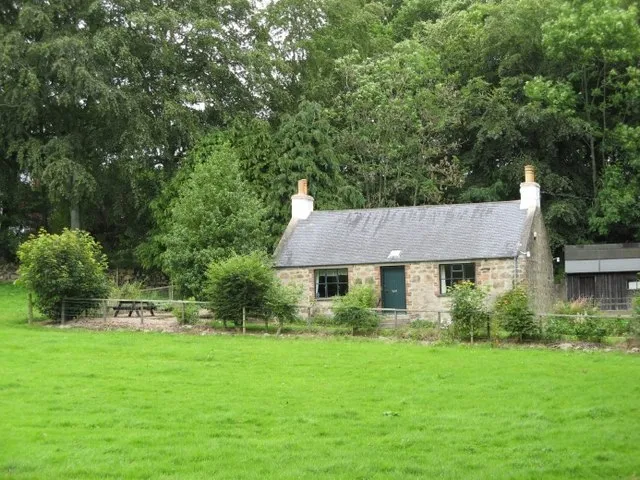
Photo: Mike and Kirsty Grundy, CC BY-SA 2.0, via Wikimedia Commons
Renting with a garden is a funny old bargain. You get the outside space, but you spend the first month wondering whether you’re allowed to do anything with it and the last month wondering whether you’ll get your deposit back. The good news is that a garden doesn’t have to be permanent to be good. You just have to design it for disassembly.
That’s the angle here: not a list of things tenants can’t do, but a way of thinking about a rented plot so it feels like yours for as long as you’re there, then quietly disappears when the keys go back. Think of it as the deposit-safe garden: built to be undone.
Read the tenancy before you read the plant labels
Start with the boring bit. Your tenancy agreement, or the garden clause in it, will tell you what you’re responsible for. Some landlords expect you to maintain existing planting; others just want the bin store not to look like a crime scene. Check whether you need written permission for changes, whether the garden is included in the inventory, and how the deposit is protected. In the UK, your deposit should be in a government-approved scheme such as the Deposit Protection Service, Tenancy Deposit Scheme or MyDeposits, and you should have the prescribed information. That matters if there’s a disagreement later.
Then do a check-in of your own. Photograph every fence panel, paving slab, drain, tree and patch of moss before you plant a single bulb. Date-stamp the photos if your phone allows it, or add a note. Film a slow walkaround. Note anything already broken, leaning or blocked. Send it to the landlord or letting agent by email, politely, so there’s a paper trail. This isn’t distrust; it’s just good admin. It also gives you a baseline for moving day.
The one rule: if it needs a drill, a skip or a solicitor, rethink it
Deposit-safe gardening is mostly about reversibility. If a design move can be taken apart in a weekend, leaves no lasting mark and doesn’t annoy the neighbours, it’s probably fine. If it involves concrete, fence posts, tree planting in the lawn or a shed base, stop and ask. The goal is a garden that looks settled without being set in stone.
That doesn’t mean bland. It means choosing the removable version of whatever you want. Want a veg patch? Use a freestanding bed. Want height? Grow a small tree in a pot. Want privacy? Clamp a trellis to the fence rather than screwing through it. Want a border? Work with the soil you’ve already got, or garden above it.
Raised beds that sit, not sink
Freestanding raised beds are the renter’s best friend. You can buy them as kits or make them from untreated timber, and they don’t need to be fixed to the ground. Put them on a patio, a gravel strip or a weed-suppressing membrane, line the inside, and fill with peat-free compost. Feet or battens under the base help air circulation and stop damp patches forming on paving.
Keep them off the lawn if you want an easy exit; a bed sitting on grass for a year will leave a pale rectangle, and that’s exactly the sort of thing a check-out report notices. If you’ve only got grass, put down a temporary membrane and a thick layer of bark first, and accept that the grass underneath will sulk. Lift the bed, rake the area, overseed and it’ll recover.
Structure in pots, not in the ground
Container-grown structure is how you make a rented garden feel established without planting anything permanent. A clipped box or yew in a large pot, a small ornamental tree such as an Acer or Amelanchier, a bay standard by the door: these give height and shape, and they move with you. Use the biggest pots you can reasonably shift, with saucers or feet to protect paving, and repot every couple of years.
Bamboo is tempting for screening, but only in a container with a root barrier, and even then keep it watered. It’s not a deposit issue so much as a neighbour issue. For fences, choose climbing plants in pots—jasmine, honeysuckle, a small clematis—rather than anything that wants to swallow the panel and the shed.
No-dig borders without the commitment
If you already have borders, you can improve them without digging them up. A no-dig approach—cardboard, compost, mulch—suppresses weeds and feeds the soil, and it’s easy to reverse if you need to. Just don’t edge the lawn with permanent timber or bury a membrane you’ll have to dig out later. Keep paths clear, don’t smother established plants, and check before you add anything that might spread.
If the garden is all paving or gravel, don’t fight it. Grow in pots, troughs and freestanding planters. A rented courtyard can be every bit as good as a borrowed lawn.
Clamp on, don’t drill in
Clamp-on trellis is a brilliant bit of kit: it grips the top of a fence panel without a single screw. Use it for annual climbers or lightweight perennials, and check it after storms. Freestanding screens—willow, bamboo, metal—are another option for privacy, but weight them properly so they don’t take off in a gale. Avoid adhesive hooks and sticky pads on fences and walls; they leave marks and fail in the wet.
Zones that move
Treat the garden as a set of movable zones rather than a fixed plan. A bistro table and two chairs can become a coffee corner, a potting bench or a dining spot. Lightweight deck tiles can cover ugly paving without adhesive. An outdoor rug, a small bench, a folding screen: all can be lifted, stacked and taken to the next place. The trick is to avoid furniture that needs anchoring, and to keep heavy pots near the house where they’re easy to move and less likely to damage anything if they blow over.
Moving day is part of the design
The best deposit-safe gardens are designed backwards from moving day. Ask yourself: can I get this out of the gate? Can I clean underneath it? Will it leave a stain, a hole or a dead patch? If the answer is no, adjust now.
When you leave, remove everything you brought—pots, beds, furniture, screens, compost bags. Sweep paving, clean gullies, fill any small holes with topsoil, and rake the lawn. Take dated photos of the empty garden, ideally on the same day as the check-out. Return the keys, send the photos to the agent and keep the email. If there’s a dispute, you’ll be glad you did.
A rented garden doesn’t have to be a waiting room. Build it to be undone, keep the evidence, and you can enjoy it without spending the last week of your tenancy worrying about the deposit.