The Twenty-Year Garden: Designing a UK Plot That Grows Older With You
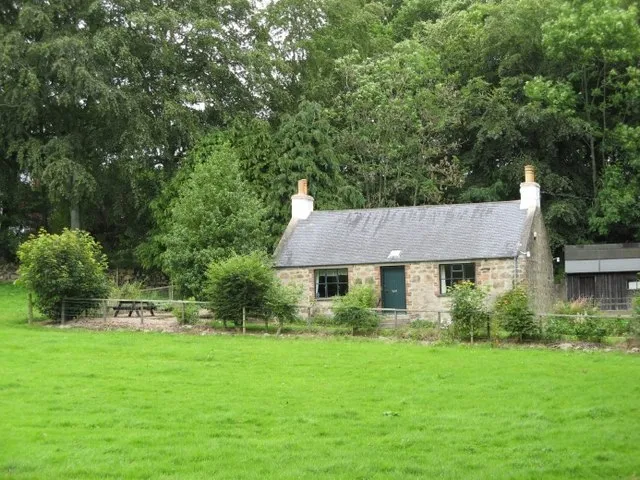
Photo: Michael Garlick , CC BY-SA 2.0, via Wikimedia Commons
Most gardens are designed for the version of us that installs them: the one who can kneel on wet clay, haul a wheelbarrow up a step and remember where the hose lives. Then life carries on. Knees get creakier, hips get replaced, eyesight softens at the edges and a Sunday of pruning turns into a week of recovering. None of that means giving up the garden. It means designing a plot that can change gear with you.
The trick is to make accessibility invisible. A good future-proofed garden does not announce itself with grab rails and warning signs. It simply removes the small frictions that become big ones later: the wobbly slab, the step you cannot see, the bed you have to crouch into, the shed key at ankle height. Here is how to plan for the long haul in a UK garden, whether you are starting from scratch or working with a plot that has been settling into its ways for decades.
Start with the route, not the ramp
The main route from back door to shed, greenhouse, bin store and favourite bench should be the easiest thing in the garden. Aim for 1.2m clear width on the primary path — enough for a walking frame, a wheelbarrow or two people side by side. If you need a ramp, keep it gentle. A gradient of 1:20 is comfortable; 1:12 starts to feel steep, especially in wet weather. Level thresholds are the quiet heroes here. A 20mm lip at the back door is a trip hazard waiting to happen; a flush threshold with a slight fall away from the house is not.
Think about the route in winter, too. A path that is fine in July can be a slippery chute in January. Avoid unnecessary steps between the house and the main seating area. If steps are unavoidable, make the risers low, the treads deep and the edges clearly visible.
Beds at working height
Raised beds are the obvious move, but the height matters more than the timber. Around 60cm suits seated work; 75–90cm suits standing work without stooping. Do not make beds too deep to reach across: 1.2m maximum if you can only access one side, 1.5m if you can walk round both. And avoid the temptation to raise everything. A mix of heights gives you options as energy levels change, and it looks less institutional.
If you are on heavy UK clay, raised beds also solve the drainage problem while saving your back. Fill them with a decent soil-based mix rather than pure compost, which will slump and shrink. Leave a comfortable gap between beds for a wheelbarrow or a wheelchair — 1.2m is a sensible minimum, 1.5m is kinder.
Surfaces that tell the truth
Firm, non-slip and predictable is the brief. Loose gravel is hard work with walking aids and wheels. Smooth paving can turn green and slick under a British winter; choose a textured finish and clean it before the algae takes hold. Decking needs grip strips, especially on north-facing steps, and regular cleaning to stop it becoming a skating rink. Grass is lovely in dry weather and a bog in February.
Resin-bound surfaces can work well, but they are not the cheapest option and they still need a proper sub-base. Block paving is repairable, which matters over twenty years. Whatever you choose, keep surfaces continuous and flush where they meet. A change in level of 10mm is nothing in a drawing and everything when you are carrying a tray of tea.
Seats, storage and light
Put seats where you will actually use them: every 10–15m along the main route, at the top of a slope, near the greenhouse, and in a sheltered spot out of the wind. A bench with arms and a back is easier to get up from than a low slab. Storage should be reachable without bending: a waist-height cupboard by the back door for secateurs, gloves and bird food is worth more than a fancy shed at the bottom of the garden.
Lighting is not just for evening drinks. Step lights, low bollards and a warm-white light near the door reduce trip hazards without waking the street. Use motion sensors on the route and timers elsewhere. Avoid glare: you want to see the edge of the path, not be blinded by it. Contrasting nosings on steps and a light near the shed lock make a real difference when eyesight is not what it was.
Retrofitting versus starting fresh
If you already have a garden, start with the route. Lift and relay the worst slabs, replace a steep step with a gentle slope, add a handrail where it helps and swap the deepest bed for a raised one. You do not need to do it all at once. Retrofitting is often a series of small, sensible upgrades rather than a full redesign.
If you are planning a new garden, build accessibility in from the start — but keep some flexibility. Do not pave the whole plot into a low-maintenance moonscape. Soil, planting and shade still matter, and a garden that is all hardstanding is hot in summer and dull in winter. Aim for a design that is easy to use now and easy to adapt later.
The best compliment for a garden like this is that nobody notices the thinking behind it. It just feels calm, easy and safe — which is exactly what a garden should be, whether you are thirty-five or eighty-five.