The Low-Maintenance Myth: Why UK Gardens Keep Getting Ripped Out
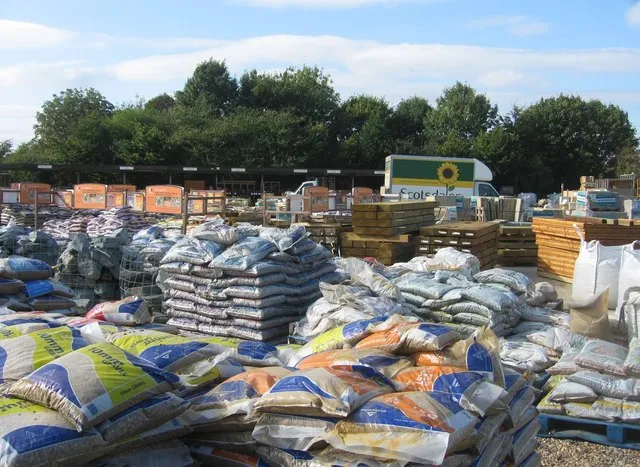
Photo: Sebastian Ballard, CC BY-SA 2.0, via Wikimedia Commons
Walk round any new-build estate or freshly renovated commercial courtyard and you can usually spot the low-maintenance garden from the street. It is the one with a sheet of gravel, a few lonely shrubs and a rectangle of artificial turf. It looks tidy for about eighteen months. Five years later, it is often being ripped out.
That is not because the owners are lazy. It is because low maintenance has been sold as a product rather than a way of designing. The phrase promises a garden that takes no time, no knowledge and no money. No garden does that. Some gardens are simply more forgiving than others — and the difference is usually in the planting, the soil and the details, not in how much plastic you lay down.
The promise versus the reality
The classic low-maintenance package is easy to describe: membrane, gravel, a few evergreens, maybe some decking and a plastic lawn. It is quick to install and photographs well. The problems start later.
Gravel deserts collect weeds. Wind-blown seed lands in the grit, and within a season you have willowherb, dandelions and grass rooting through the membrane. The fabric degrades, weeds root into it, and lifting it to clean is a miserable job. Gravel also needs topping up, and it is not particularly comfortable to walk on or use for a table and chairs.
Artificial turf has its own issues. In a UK heatwave it can get uncomfortably hot underfoot, and it does not cool the air in the way living plants do. In a downpour, poorly laid plastic grass can flood because the base has not been designed to drain. It also generates microplastics and, at the end of its life, is difficult to recycle. It is not maintenance-free either: leaves, moss and weeds at the edges still need attention.
Then there is the shrub border that is planted too sparsely. Bare soil dries out, weeds move in, and the shrubs either sulk or sprawl. By the time the owner notices, the border needs a reset.
What low maintenance actually means
A genuinely low-maintenance garden is not a garden you ignore. It is a garden where the work is predictable, seasonal and matched to the time you will realistically spend.
That means right plant, right place. A shade-loving plant in full sun will always struggle. A thirsty plant in free-draining sand will need watering forever. A plant that wants space will outgrow a tight border and need hard pruning every year. Choosing plants that suit your soil and aspect is the single biggest maintenance decision you make.
It also means density. Good planting covers the ground. Ground-cover plants, ferns, grasses and low shrubs shade the soil, suppress weeds and slow evaporation. A mulch layer helps, but it is not a substitute for plants that actually want to grow.
And it means honest materials. Permeable paving, clay pavers, gravel with a stabilised base, good edging and raised beds cost more upfront than a sheet of membrane, but they last. Hard landscaping should make maintenance easier, not create a new set of problems.
Design choices that hold up in the UK climate
The UK gives plants a lot to cope with: wet winters, mild spells, summer droughts, heavy clay, slugs and shade. Resilient design works with that, not against it.
Start with structure. Evergreen shrubs, small trees, clipped box alternatives and architectural grasses give the garden bones in winter. They do not need much once established, but they do need the right site.
Use robust ground cover. Geraniums, epimedium, ferns, sedum and shade-tolerant perennials will knit together and leave less bare soil for weeds. For sunny, dry spots, Mediterranean herbs and drought-tolerant perennials work well if drainage is good. For clay, choose plants that tolerate moisture rather than fighting the soil.
Think about water. Rain gardens, water butts and simple swales can take roof runoff away from the house and into borders. Drip irrigation on a timer is useful for pots and newly planted areas, but it is not a fix for bad planting. A hosepipe ban is a good stress test: if the garden cannot survive a few weeks without watering, it is not resilient.
Rethink the lawn. A lawn is not low maintenance if it is small, shaded and worn. In those spots, a planted bed, gravel garden or robust ground cover may be less work. If you want grass, choose a tough seed mix and accept that it will need mowing, edging and occasional repair. A wildflower meadow is not maintenance-free either; it needs an annual cut and raking.
The honest hours
This is where the marketing falls apart. A small courtyard with pots and a seating area might take two to three hours a month through the growing season, plus a couple of winter tidy-ups. A medium family garden with borders, lawn and hedges is more like four to eight hours a month from April to September, with less in winter but still regular checks.
Commercial grounds are different again. A managed scheme needs a contract, a seasonal plan and someone who notices blocked drains and broken irrigation before they become a claim. Low maintenance on a facilities schedule should mean low surprise, not zero visits.
None of this is a reason to avoid simple gardens. A courtyard with good paving, a few well-chosen shrubs and a water butt can be genuinely easy. The mistake is believing that simplicity comes from removing plants and adding plastic. It usually comes from getting the fundamentals right: soil, drainage, plant choice and a realistic maintenance plan.
Ask a better question
Instead of asking for a low-maintenance garden, ask what kind of maintenance you will actually do. Will you prune once a year? Will you water pots in a dry spell? Will you pay someone to cut a hedge? Will anyone clear the gully outside the back door in November?
A garden designed around those answers will last. A garden designed around a marketing phrase often will not. The UK climate is forgiving in many ways, but it is not fooled by gravel and plastic for long.