What the Turf Is Hiding: A Realistic First Year for a New-Build UK Garden
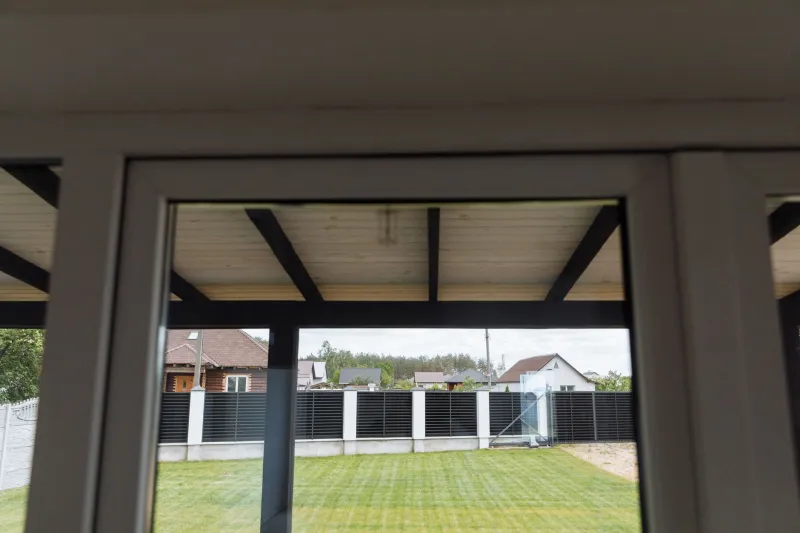
You get the keys, walk out the back, and there it is: a rectangle of turf, a small patio, a fence that looks like it came flat-packed, and perhaps a single sad shrub in the corner. It looks finished. It is not finished. In most new-build UK gardens, the turf is less a garden and more a handover document — a green receipt for a site that has just spent two years being driven over by diggers, stacked with materials and stripped of its topsoil.
That is not a reason to panic. It is a reason to resist the urge to go straight to the garden centre and buy a trolley full of lavender. The first year in a new-build garden is not really about planting. It is about testing, draining, improving and zoning. Do that work now and the garden becomes easier every year after. Skip it and you will spend the next decade wondering why everything sulks, rots or dries out by June.
The turf is a handover, not a design
New-build gardens are usually finished to a standard that satisfies a buyer, a site manager and a planning condition — not a plantsman. That often means a thin layer of topsoil over compacted subsoil, builder’s rubble buried just below the surface, and levels that have been smoothed out rather than designed. The turf grows because grass is forgiving. Shrubs and perennials are less polite about it.
Dig down a spade’s depth in a few spots and you may find clay, chalk, sand, stones, brick ends, mortar or a compacted pan that water cannot pass through. None of that is unusual. A building site is a building site. But it does mean the garden needs a proper look before you decide where the border goes.
Start with a hole and a hose, not a plant list
Before you buy anything, spend a weekend observing. After heavy rain, note where water sits, where it runs and how long it takes to disappear. Dig a few test holes about 30cm deep and fill them with water. If the water is still there the next morning, you have a drainage question. If it drains in an hour, you are in a better place. Do the same test in the front garden if that is part of the plan.
A simple jar test will tell you roughly what you are working with: shake soil and water in a jar, leave it to settle, and look at the layers. Sand settles first, silt next, clay last. It is not laboratory science, but it is enough to stop you planting a drought-loving plant in a winter bog.
Also check levels. A string line and a spirit level are more useful than any mood board. Water should move away from the house, not towards it. Patios and paths should fall gently away from doorways. If the ground looks flat but puddles form against the wall, the levels need attention.
Fix water before you fix the picture
The most common new-build garden mistake is to add a thick layer of topsoil and pretend the problem is solved. Raising levels can make drainage worse, bury fence posts and push damp towards the house. Better to improve what is there. Break up compaction, work in organic matter, and consider a French drain or soakaway only where it is genuinely needed and properly designed. Check local rules and get professional advice if you are moving serious amounts of water.
Downpipes are another quick win. A water butt takes the pressure off the drains and gives you something to water with in a dry spell. In smaller gardens, a planted rain garden or a shallow border that accepts roof runoff can be more useful than another patch of lawn. The aim is simple: slow the water down, spread it out and let it soak away where it will not cause trouble.
Zone the plot before you decorate it
A new-build garden is often small, overlooked and asked to do too many jobs at once. Seating, storage, drying washing, growing food, a bit of lawn and somewhere for the bins all want the same square metres. Spend the first year working out what you actually use. Put pots and temporary raised beds where you think the borders should go. Move the bench around. Watch the sun. Find out where the wind hits and where the fence casts shade.
Good zoning is not glamorous, but it saves money. A 60cm border that is never used is worse than a 90cm border that works. A path that takes the shortest route to the shed will beat a decorative curve every time. Leave room for a bin store or bike shed now, before you plant a tree in the way.
Improve the soil, then plant in stages
In the first year, think structure and soil rather than colour. Add compost or well-rotted organic matter to beds, mulch to protect the surface and hardy, reliable plants that can cope with a bit of disturbance. Avoid tender exotics and anything that demand perfect drainage until you know what you have. If a border is waterlogged, either improve the drainage or choose moisture-loving plants — do not fight the site with a lavender hedge.
Autumn and early spring are good planting windows in the UK, but do not dig wet clay. It makes a mess and ruins the structure. Wait for drier conditions, work from boards and keep off the beds. Bare-root hedging and trees are excellent value in the dormant season, but only once the ground is prepared.
A realistic first-year rhythm
In late autumn and winter, observe, test, clear rubble and plan. Get quotes for any drainage work. In early spring, improve beds and mulch. Plant hardy structure — shrubs, grasses, ferns and small trees — and keep the watering can handy for the first summer. Through summer, watch how water moves and adjust. By the following autumn, you will know the garden far better and can plant with confidence rather than guesswork.
The turf may look like a blank canvas, but the real garden is underneath it. Sort the drainage, improve the soil and zone the space first. Then the planting is not a gamble — it is the easy part.